Most people use "pressing," "steaming," and "dry cleaning" as if they're just different intensities of the same service. Pressing sounds thorough. Steaming sounds gentler. Dry cleaning sounds like a serious option. So it's easy to treat them as a progression from light to heavy, when they're actually three completely different processes that do completely different things to a garment.
A suit jacket that's been worn all season needs actual cleaning, not just a press. A velvet dress that needs a quick refresh before an event is not a dry cleaning job. Using the wrong method either fails to fix the problem or introduces a new one. Here's how to tell them apart.
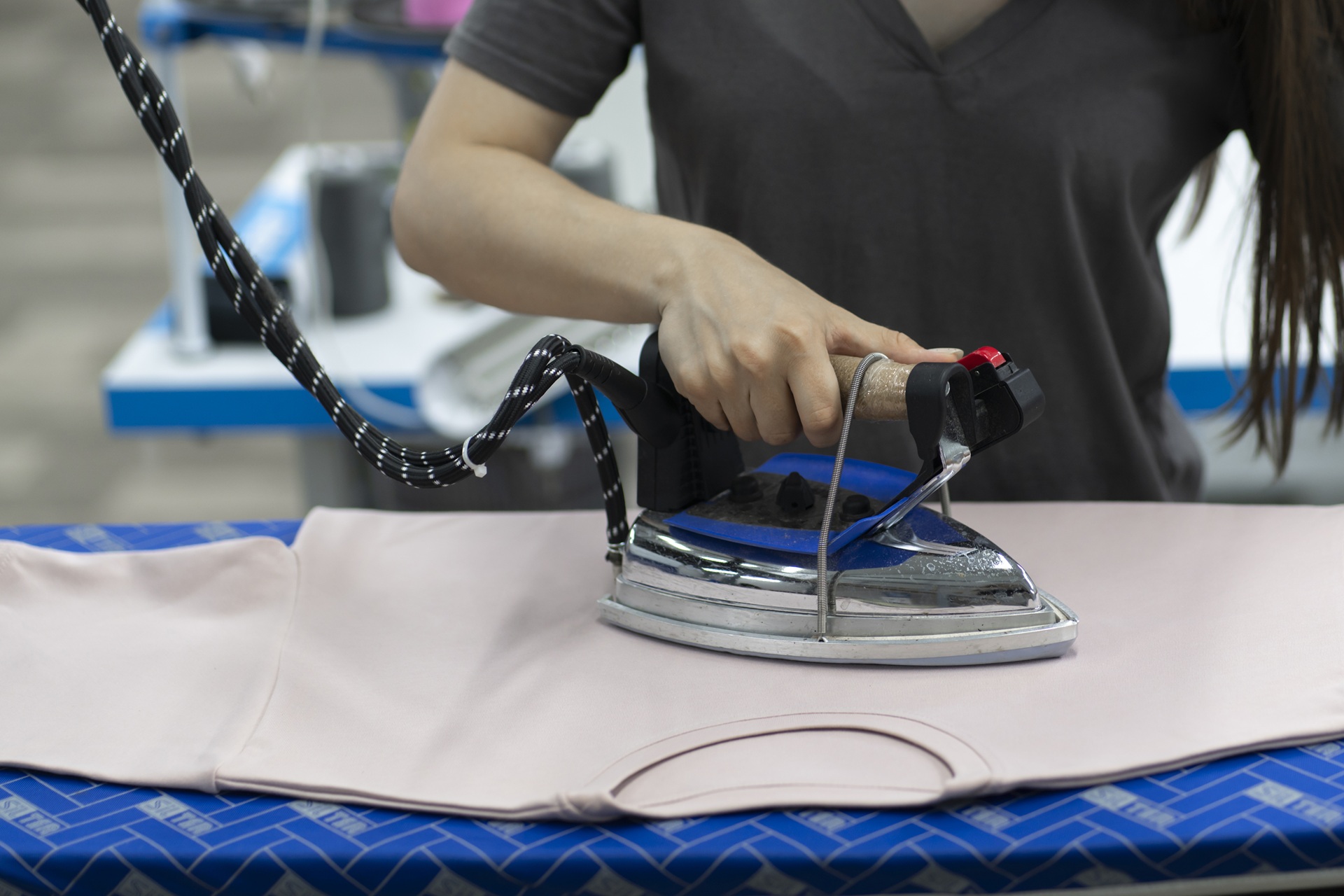
Pressing is the application of direct heat and pressure to a garment, typically using a professional iron or a heated press machine, to reshape it, smooth wrinkles, and restore structure. That is the entire scope of what pressing does. No solvents, no water saturation beyond steam, and no cleaning agents are involved. It is purely mechanical restoration through heat and controlled force.
A dress shirt that came out of the wash clean but wrinkled needs pressing, not dry cleaning. Trousers that lost their crease after storage need pressing. A suit jacket that is otherwise clean but looks tired after a long flight needs pressing. In fact, pressing clean garments between dry cleaning cycles is how well-maintained wardrobes stay sharp without subjecting structured pieces to unnecessary cleaning cycles.
When people weigh pressing vs dry cleaning as competing options, they're usually asking the wrong question. The two methods are complementary. A dry-cleaned garment almost always gets pressed afterward as part of the finishing process. A clean garment that simply lost its shape only needs pressing. Identifying which situation applies tells you exactly where to start.
At Swiss Dry Cleaners, we carefully hand-steam and finish every garment rather than hard-press them, protecting your high-value pieces from the damage that direct heat can cause.
A steamer works by directing hot vapor at fabric to relax the fibers and release surface wrinkles without applying any contact pressure. No pressing plate, no direct heat on the fabric surface, no chemical solvents. The result is a light, surface-level refresh rather than a structural restoration.
Steaming is the correct tool in these specific situations:
The question of whether it is better to steam-clean or dry clean clothes is asked frequently, and the honest answer is that they solve completely different problems.
Steaming refreshes the surface of a clean garment. Dry cleaning removes what has accumulated inside the fabric over weeks or months of wear.
A garment that has absorbed a season's worth of body oil, perspiration, and environmental buildup will not be addressed by a steamer, regardless of how thorough the application. Steaming is a maintenance tool. It belongs between dry cleaning cycles, not instead of them.
Steaming also cannot remove stains, restore sharp, tailored creases that require heat and pressure, or address any structural distortion in a garment. Understanding where steaming's usefulness ends is as important as knowing where it begins.
Dry cleaning is a professional cleaning process that uses chemical solvents rather than water to remove soil, body oils, stains, and general buildup from fabric. The name refers to the absence of water. The garment is fully immersed in solvent during the cleaning cycle, which is precisely why it works on fabrics water-based washing would damage.
Certain garments genuinely require it, and the distinction matters for fabric longevity.
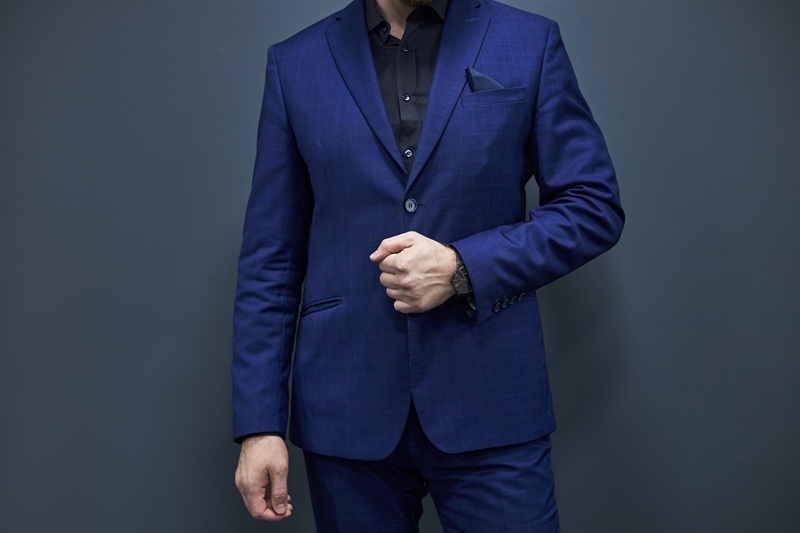
These pieces accumulate body oils over a season of regular wear in ways steaming cannot address and that water-based cleaning would cause to shrink, felt, or distort permanently. The chemical solvent in dry cleaning dissolves those oils without disrupting the fiber structure.
Structured blazers and lined jackets present a different problem: their internal construction, including canvas interfacing, shoulder padding, and lining stitching, warps when exposed to water and agitation. Dry cleaning removes soil while leaving the construction intact.
Silk garments are at genuine risk of water contact. Silk can water-stain on first exposure, and the fiber itself degrades with repeated moisture. Heavily embellished or beaded pieces cannot tolerate the mechanical action of a washer without losing beads, loosening embroidery, or damaging decorative hardware. And any care label carrying a circle symbol is the manufacturer's explicit instruction, not a suggestion, that the garment requires dry cleaning.
At Swiss the Greener Dry Cleaners, the dry cleaning process uses GreenEarth technology, a silicone-based solvent that is gentler on fabric than traditional perchloroethylene and carries no harsh chemical residue. For garments that need professional cleaning, the method used matters as much as the decision to clean.
| Situation | Press | Steam | Dry Clean |
|---|---|---|---|
| Restore a sharp trouser crease | Yes | No | No |
| Quick refresh between wears | Not ideal | Yes | No |
| Remove a stain | No | No | Yes |
| Clean body oil buildup | No | No | Yes |
| Restore garment structure | After cleaning | No | Yes |
| Caring for silk or wool | Carefully | Yes (light refresh) | Yes (cleaning) |
| Care label has a circle symbol | No | No | Yes |
| Refresh a delicate fabric (chiffon, velvet) | Not recommended | Yes | When soiled |
Press to restore shape and structure to a garment that is already clean. Steam for a light surface refresh between wears when the garment is otherwise in good condition. Dry clean when the garment actually needs to be cleaned, whether due to visible soiling, body oil accumulation, staining, or simply the regular rotation of a frequently worn investment piece through a full season.
The structured blazer you wore to client meetings all winter, the silk blouse sitting in the back of your wardrobe, the cashmere coat that came out of storage with a faint odor – those are the pieces you now know need professional care rather than a home refresh.
Swiss the Greener Dry Cleaners on Mockingbird Lane in Dallas uses GreenEarth dry cleaning technology, a silicone-based solvent that is gentler on fabric than conventional alternatives and leaves no harsh chemical residue. Each piece is carefully hand-steamed and finished, never harshly pressed so even the most delicate or high-value garments receive the level of care their quality deserves. Whatever the fabric or story of the garment, we respect its beauty and its history when we clean it.
Swiss the Greener Dry Cleaners:
📍 3030 Mockingbird Lane, Dallas, Texas, 75205
🕐 Mon–Fri: 8:00 AM–4:00 PM | 24/7 self-service kiosk available
🗓 Schedule Online: https://account.mydrycleaner.com/SWISSTHEGREENERTX/#/login